What "Numbers Matching" Actually Means
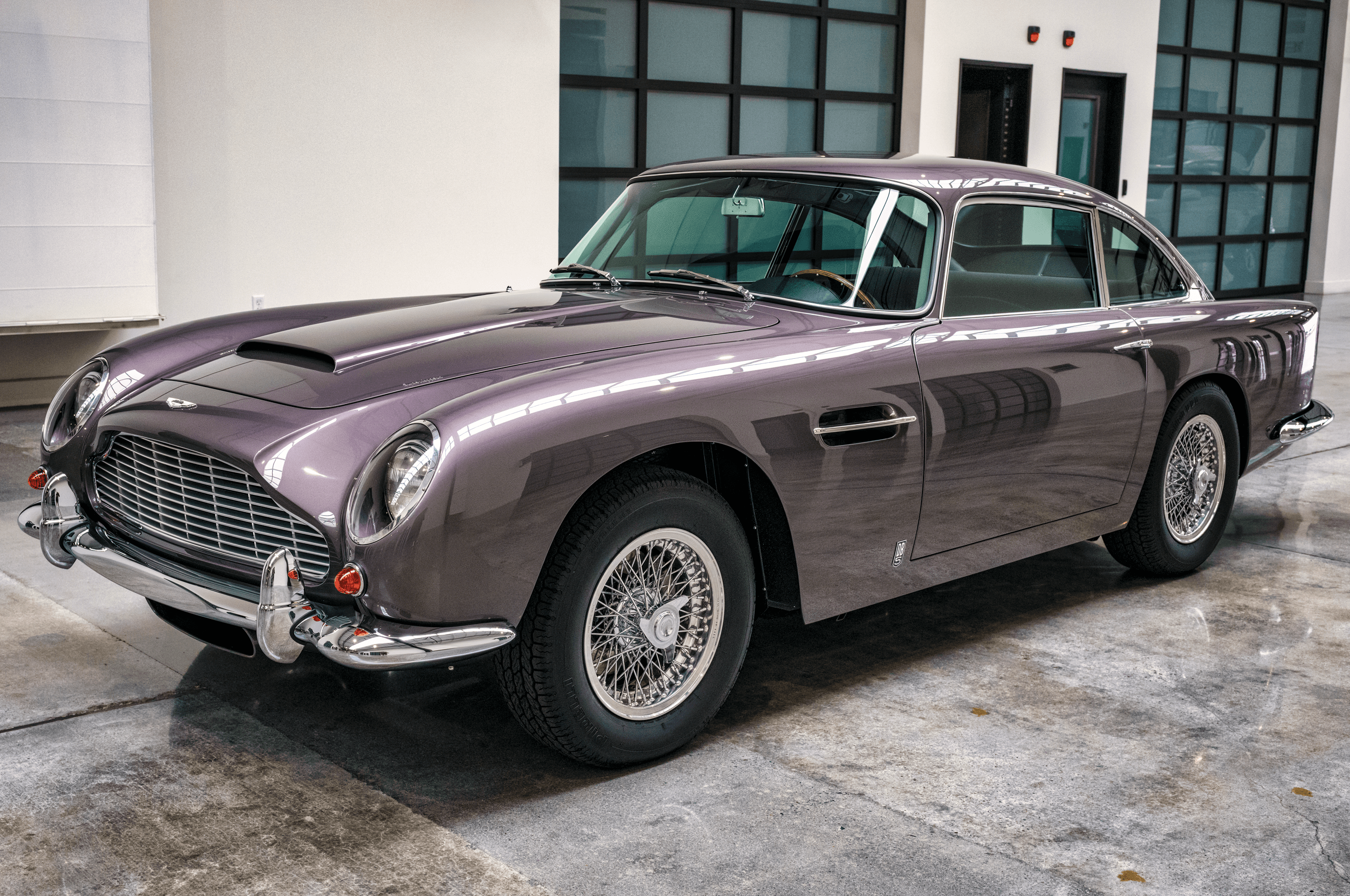
At its core, numbers matching means that the major stamped or cast identification numbers on a car's components correspond correctly to the vehicle's original factory records. In practice, this typically means the engine, transmission, and sometimes the rear axle carry codes that are consistent with the car's VIN, its build date, and its factory configuration.
The underlying reason this matters is factory documentation. Car manufacturers in the classic era stamped partial VIN information, date codes, and plant codes directly onto major components at the time of assembly. These stamps can be verified against factory records and against the codes documented in marque club research. A numbers-matching car retains its original drivetrain assembly, which is increasingly rare as components have been swapped, replaced, or upgraded over the decades.
The term is sometimes extended beyond the drivetrain to include other components — the carburetor, the distributor, the alternator, and various other dated or coded parts. At that level of scrutiny, the standard shifts from "numbers matching" to something closer to "factory correct" — a higher bar that affects how a car performs in concours judging.
Which Numbers Are Checked and Where to Find Them
The VIN (Vehicle Identification Number) is the primary identifier. On most American classics, the VIN appears on a plate on the dashboard (visible through the windshield), on the door jamb, on the firewall, and sometimes on the frame. Cross-checking all VIN locations for consistency is the first step in verifying a car's identity.
The engine stamp is the central numbers-matching check. On most American V8 engines from the classic era, a partial VIN and production code were stamped directly into the block — typically on a flat pad on the front of the block below the passenger cylinder head. This stamp should match the car's VIN and should reflect a production date that predates the car's known assembly date. An engine with a stamp that does not match the VIN, or with a date that postdates the car's assembly, is a replacement engine.
The transmission also carries date codes and identification numbers that can be verified against the car's build date and original equipment specifications. On manual transmissions, a tag or stamped code identifies the unit and its production date. On automatics, similar coding applies.
Marque-specific decoding guides — published by clubs, researchers, and reference publishers like Muscle Car Research — document exactly what codes are expected for specific makes, models, years, and option combinations. The level of detail in these guides can be startling to someone encountering them for the first time. (Yes, the correct carburetor for a specific week of production in a specific plant is documented. The hobby is thorough.)
Why Numbers Matching Can Mean Tens of Thousands of Dollars
The value premium for numbers-matching cars is real and substantial. For high-demand American muscle cars, a numbers-matching example typically commands a 20–50% premium over an otherwise comparable non-matching car. For rare variants — high-option packages, low-production colors, performance engines — the premium can be significantly larger.
The reason is collector logic, which is rational: a numbers-matching car is a more complete historical artifact. It is closer to what left the factory. It is rarer, because decades of engine swaps, upgrades, and accidents have made non-matching cars common. And it is more defensible at auction, where serious buyers pay significant premiums for documented originality.
Hagerty's valuation data specifically accounts for numbers-matching status in their condition grades. A car rated at concours or excellent condition implies numbers correctness. The gap between a numbers-matching car at excellent condition and a non-matching car at the same cosmetic condition is consistently meaningful in the market.
For cars at the extreme end — first-year production of significant models, factory racing options, or rare configurations — numbers matching is not just a premium. It is the difference between a significant collector car and a very nice driver. The same model year, same color, same basic configuration: one with matching numbers and one with a period-correct replacement engine can differ in value by $50,000 or more.
Partial Numbers Matching: The Spectrum Between Complete and None
Most cars in the collector market fall somewhere between "fully numbers matching" and "complete numbers replacement." The engine may be the correct type but sourced from another vehicle of the same year. The transmission may be original but the rear axle was replaced. One component may have been rebuilt using the original cases with replacement internals.
These variations are significant, and their impact on value depends on which component is involved and how the situation is documented. A matching-numbers engine with a replaced transmission is a better car than a replaced engine with an original transmission, because the engine is the primary numbers-matching consideration and carries the largest value weight.
Some marque clubs have developed specific terminology and documentation practices for partial-matching cars. A car with a "VIN-stamped" engine of the correct type from the correct assembly plant but without a VIN stamp matching the car is sometimes described as "numbers-correct" or "date-correct" rather than numbers-matching. These distinctions matter in judging and in price negotiation.
The honest approach when selling a partial-matching car is to describe it accurately — which component is original, which is replaced, and what documentation supports each claim. A buyer with full, honest information can make an informed decision. A buyer who discovers the engine is not matching after the transaction is a buyer who feels deceived, regardless of what was implied versus stated.
How to Verify Numbers Matching on a Car You Are Considering Buying
Start with the VIN. Decode it using the factory VIN decoding guide for your specific make, model, and year — most are freely available through marque clubs. Verify the VIN plate is original (look for signs of replacement — different font, fresh rivets, misalignment) and cross-check all VIN locations for consistency.
Locate the engine stamp and decode it against the decoding guide for your engine family. The stamp location varies by manufacturer and engine type — for most American V8s it is on the front passenger side of the block, but consult a marque-specific reference to confirm the exact location for your car. Decode the partial VIN and the production date code and verify both align with the car's expected parameters.
For definitive verification, submit the car to a marque club numbers-check service or hire a certified appraiser with specific expertise in your make. Marque clubs including the NCRS for Corvettes and the MCA for Mustangs have formal authentication programs that document a car's matching status. This documentation becomes part of the car's provenance record and supports future sales and insurance.
Be appropriately skeptical of undocumented claims. "I was told it's numbers matching" is not numbers matching. Verification requires physically locating the stamps, decoding them against authoritative references, and confirming the results with someone who has the expertise to make the assessment definitively.
Numbers Matching and Restoration: What to Know
If you are restoring a numbers-matching car, preserving that status throughout the restoration is a primary consideration. This means not replacing matching components with non-matching substitutes, documenting all work performed on original components, and understanding which restoration approaches are acceptable under the judging standards you plan to compete in.
A numbers-matching engine that is rebuilt — bored, fitted with new pistons and rings, reground crank — retains its matching status because the original block carrying the VIN stamp has been retained and professionally reconditioned. The same engine block replaced with an identical-appearing block sourced from a different car is no longer matching, even if the replacement is cosmetically identical.
Working with a restoration shop that has specific experience with your marque and understands the correctness requirements for numbers documentation is essential for preserving matching status through a restoration. This is a question worth asking explicitly during the shop selection process.
Frequently Asked Questions
- What does numbers matching mean on a classic car?
- Numbers matching means the major components — primarily the engine, and often the transmission — carry factory-stamped codes that correspond correctly to the car's VIN, build date, and original factory configuration. It indicates the car retains its original drivetrain assembly rather than replacement components.
- How much more is a numbers matching car worth?
- For popular American muscle cars, numbers matching typically commands a 20–50% premium over a comparable non-matching example. For rare variants or high-performance option packages, the premium can be significantly larger. Hagerty's valuation guides account for numbers-matching status in their condition grades.
- Where is the numbers matching stamp on an engine?
- On most American V8 engines from the classic era, the partial VIN and production code are stamped on a flat pad on the front of the block, typically below the passenger-side cylinder head. The exact location varies by manufacturer and engine family. Consult a marque-specific decoding guide for the precise location on your car's engine.
- Can a numbers matching car have a rebuilt engine?
- Yes. A numbers matching engine that has been rebuilt — bored, honed, fitted with new internals — retains its matching status because the original block carrying the VIN stamp is preserved. Numbers matching refers to the identity of the components, not their internal condition.
- How do I verify if a car is numbers matching?
- Locate the engine stamp, decode it against the authoritative marque-specific decoding guide, and confirm the partial VIN and production date align with the car's documented history. For definitive verification, engage a certified appraiser with marque expertise or submit the car to a marque club authentication program such as the NCRS (Corvette) or MCA (Mustang).
Ready to find the right shop for your vehicle?
Browse Classic Car Repair Shops →