Why These Definitions Matter Beyond Casual Conversation
In everyday use, "classic car," "antique car," and "vintage car" are largely interchangeable — they all mean "an old car that someone cares about." In the contexts where it actually matters — insurance eligibility, state vehicle registration, tax exemptions, and show entry classes — the definitions are specific, often different from state to state, and the distinction can affect your costs and your eligibility for programs designed for collector vehicles.
Insurance providers, for example, use their own definitions of eligible vehicles that may or may not align with your state's DMV definitions. A car that qualifies for your state's historic vehicle registration may not meet a specific insurer's criteria for classic car coverage. Understanding the relevant definition in each context keeps you from being surprised at registration time or when a policy exclusion comes up at claim time.
The following definitions are the most commonly used frameworks. Where your specific state differs, your state DMV's published criteria are the controlling authority.
Classic Car: The Industry and Insurance Definition

The term "classic car" does not have a single legally binding definition in the United States. It is used differently by different organizations, states, and contexts, which is the source of most of the confusion.
The Classic Car Club of America (CCCA) defines a classic as a "fine or distinctive automobile" manufactured between 1915 and 1948. By this definition, a 1969 Chevelle is not a "classic" — it is too recent. This definition is strict, historically informed, and used for CCCA show eligibility, but it is not the definition most people have in mind when they use the term.
In common industry and insurance usage, "classic car" typically refers to any vehicle at least 20–25 years old that is maintained in good condition for collector purposes rather than daily transportation. Most specialty classic car insurance providers use some version of this age threshold. Hagerty, for example, covers vehicles at least 25 years old as their baseline eligibility criterion, with flexibility for significant pre-25-year vehicles.
State DMVs use "classic" in their own ways. Some states use it to denote a specific registration classification with reduced fees and usage restrictions. Others do not use the term at all, preferring "historic" or "antique." Check your state DMV for the precise criteria that apply to your vehicle's registration classification.
Antique Car: The Legal and Registration Definition
"Antique" typically carries a specific legal meaning in vehicle registration contexts, and the threshold is usually age-based. Many states define an antique vehicle as one that is at least 25 years old — though the threshold varies from 20 to 45 years depending on the state. State-specific antique vehicle registration often comes with reduced annual fees, a special license plate designation, and usage restrictions (typically limiting use to shows, exhibitions, and occasional pleasure driving).
The practical benefit of antique or historic vehicle registration is cost: many states charge significantly lower registration fees for vehicles in these classifications. Some states also provide exemptions from annual emissions testing for vehicles over a certain age, which is a meaningful benefit for cars that may not pass modern emissions standards.
Trade-off: antique or historic registration in many states restricts daily use. A car registered as an antique typically cannot be used as a daily driver without violating the terms of the registration. If you use your classic car regularly for commuting or errands, standard registration may be more appropriate regardless of the age of the vehicle.
Muscle Car: A Cultural Definition, Not a Legal One
"Muscle car" is a cultural and enthusiast designation, not a legal or regulatory category. It does not appear in your state DMV's registration classifications, it does not define insurance eligibility on its own, and it is not a criterion for any specific legal benefit. It is, however, one of the most debated terms in the hobby.
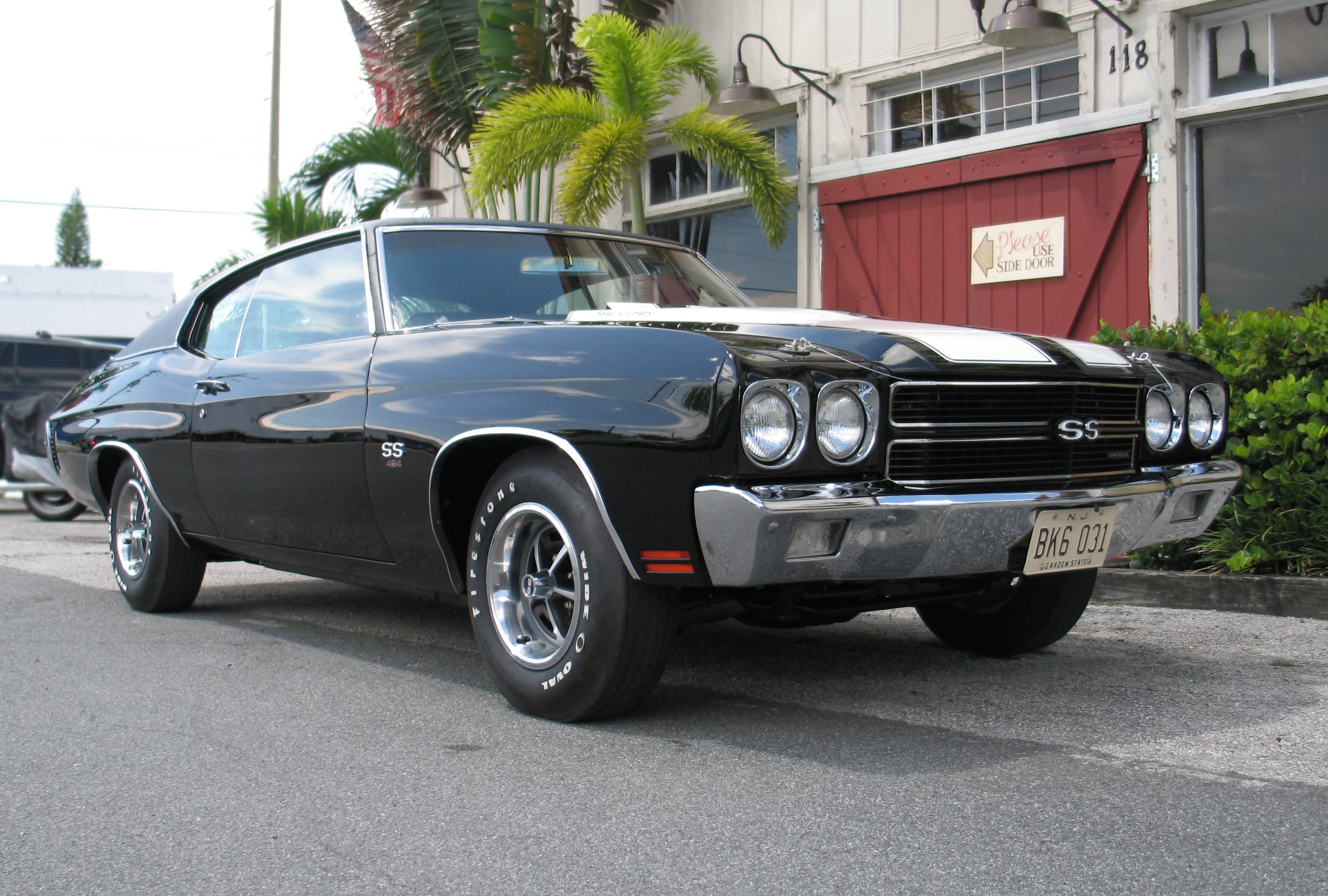
The generally accepted enthusiast definition is a mid-size American car from approximately 1964 to 1972, fitted with a large-displacement V8 engine in a configuration that prioritizes straight-line performance. The original Pontiac GTO (1964), the Ford Mustang fastback, the Chevrolet Chevelle SS 396, and the Dodge Charger R/T are canonical examples. What counts as a muscle car beyond those core examples is a perennial argument with no correct answer.
From an insurance, registration, and tax perspective, a muscle car is simply a classic car or antique car that happens to be from that specific era and configuration. It qualifies for the same specialty insurance, historic registration, and relevant tax benefits as any other vehicle of equivalent age and condition.
Vintage, Historic, Collector: More Terminology to Know
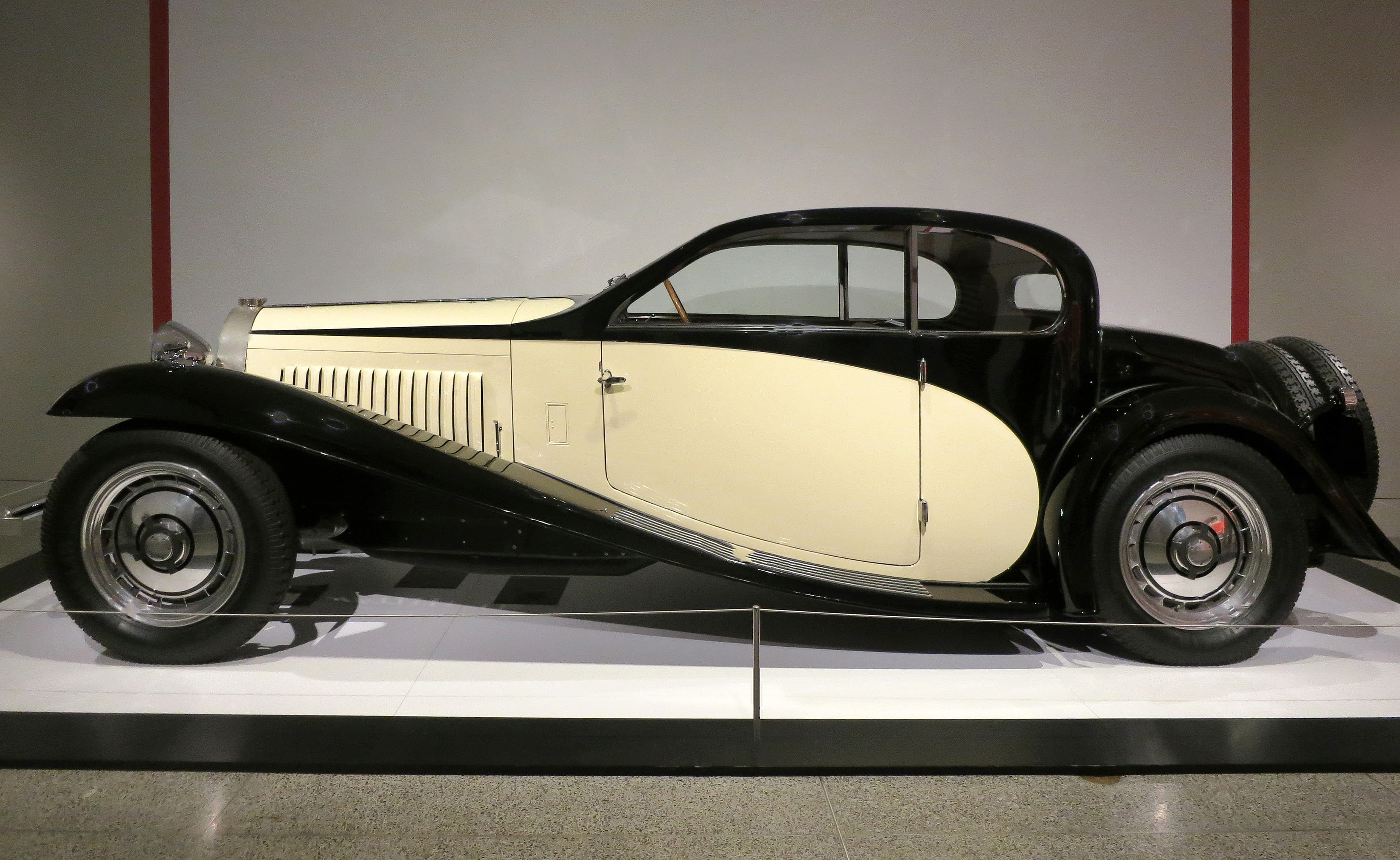
"Vintage" in automotive contexts is used differently by different organizations and countries. In the UK, the Vintage Sports Car Club (VSCC) defines vintage as 1919–1930, and "post-vintage" as 1930–1940. In US usage, "vintage" is often used loosely to mean "old" without a specific year range.
"Historic vehicle" is the term many state DMVs use for their special registration classification for older vehicles. The specific year threshold varies significantly by state. In some states it is 25 years; in others it is 30 or 35. Historic vehicle registration typically comes with the same benefits as antique registration — reduced fees, possible emissions exemption, special plates — and the same usage restrictions.
"Collector vehicle" is the term favored by specialty insurance providers and is the broadest and most inclusive category. It encompasses classic cars, antique cars, muscle cars, vintage vehicles, hot rods, custom vehicles, and kit cars — essentially any vehicle that is maintained for collector purposes rather than daily transportation, regardless of age.
The AACA — the country's largest general classic car organization — uses the term "antique automobile" for all vehicles more than 25 years old, regardless of whether they would meet the stricter CCCA definition of "classic." When you encounter AACA events and literature, their "antique" category includes what most people would call classics, muscle cars, and vintage vehicles.
What These Definitions Mean for Registration, Insurance, and Taxes
For vehicle registration: research your specific state's historic or antique vehicle classification criteria. Most state DMV websites publish the age thresholds and usage requirements clearly. If your car qualifies, the reduced registration fee and emissions exemption are genuine benefits worth pursuing. Know the usage restrictions before you switch — some states are more restrictive than others.
For insurance: use a specialty classic car insurer rather than a standard insurer regardless of what your state calls the vehicle. The coverage differences — agreed value versus actual cash value, lower premiums, roadside assistance designed for classics — apply whether your state classifies the car as antique, historic, or classic. The guide on classic car insurance covers this in full.
For taxes: vehicle donation to a qualified charitable organization may generate a tax deduction based on the vehicle's fair market value. For a classic car valued at more than $5,000, the IRS requires a qualified appraisal from a certified appraiser to support the deduction. Consult a tax professional for your specific situation. A certified classic car appraiser can produce the documentation required for a tax-deductible donation.
And for show entry: shows will specify their own eligibility criteria, which may not align with any of the above definitions. Read the entry rules for any show you plan to enter and verify your car qualifies for the class you intend to enter before you show up with an entry fee.
Frequently Asked Questions
- What qualifies as a classic car?
- There is no single universal definition. The Classic Car Club of America defines classics as fine automobiles from 1915–1948. For insurance purposes, most specialty insurers use vehicles at least 25 years old maintained for collector purposes. State DMVs use their own definitions — typically age-based thresholds of 25–45 years — for registration classifications. The relevant definition depends on the context.
- What is the difference between an antique and a classic car?
- "Antique" is typically a legal or regulatory term used by state DMVs for vehicles meeting a specific age threshold, usually 25+ years. "Classic" is used more broadly as a cultural term and more specifically in CCCA usage for 1915–1948 fine automobiles. In insurance and collector usage, the terms are often interchangeable.
- At what age does a car become a classic?
- For insurance purposes, most specialty insurers use 25 years as their baseline. For state historic or antique vehicle registration, the age threshold varies by state from 20 to 45 years. For IRS purposes, a "classic car" is not specifically defined — a qualified appraisal establishes value for tax purposes regardless of what the car is called.
- Does my classic car need special registration?
- Many states offer historic or antique vehicle registration with reduced fees and possible emissions exemptions for vehicles meeting their age criteria. This registration typically comes with usage restrictions — limiting the car to shows, exhibitions, and pleasure driving rather than daily commuting. Check your state DMV for the specific criteria and restrictions.
- Is a muscle car a classic car for insurance purposes?
- Yes. A muscle car from the 1960s or early 1970s meets the age and collector-use criteria for specialty classic car insurance. It is insured the same way as any other classic car of equivalent age and condition. The "muscle car" designation is cultural, not regulatory.
- What defines a classic car?
- There is no single legal definition. Three frameworks dominate: the Classic Car Club of America reserves "classic" for fine automobiles built 1915–1948; specialty insurers generally treat any well-maintained collector vehicle 20–25+ years old as a classic; and state DMVs set their own age thresholds (often 25–45 years) for registration. Which definition applies depends entirely on the context — show eligibility, insurance, or registration.
- What makes a car an antique?
- "Antique" is usually a registration term tied to age — most states set the threshold at 25 years or older, though it ranges from 20 to 45 years by state. Antique or historic registration typically brings reduced fees and possible emissions exemptions, in exchange for usage restrictions that limit the car to shows, exhibitions, and occasional pleasure driving rather than daily commuting.
- What is considered a vintage car?
- "Vintage" has no single standard. In strict British usage (the Vintage Sports Car Club), it means cars built 1919–1930. In common American usage it loosely means "old" with no fixed year range. Because the term is imprecise, insurers and DMVs rarely use it for eligibility — they rely on "classic," "antique," or "historic" with defined age thresholds instead.
Ready to find the right shop for your vehicle?
Browse Classic Car Repair Shops →