Start With the Class You Are Entering (They Are Not All the Same)
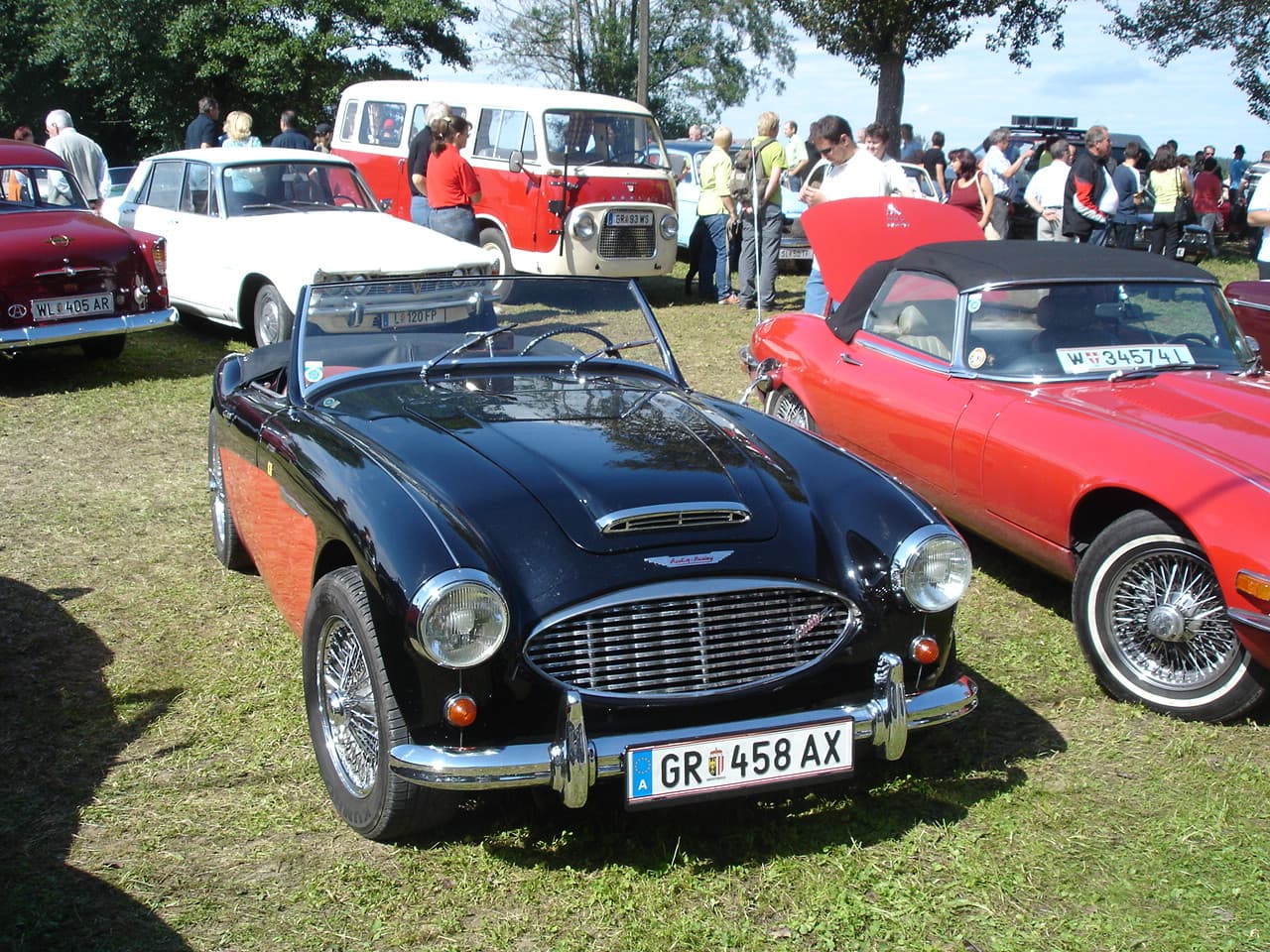
Classic car shows range from informal cruise nights where registration involves handing someone five dollars and finding a parking spot, to formally judged concours events where judges score your car on a 400-point checklist and deduct points for incorrect date codes on your battery. Preparation that is appropriate for one is not the same as preparation for the other.
Most local and regional shows fall into a few categories. Display classes are the most casual — your car is there to be seen, you receive a participant plaque, and preparation is about looking great rather than scoring points. Judged street classes evaluate the car's overall appearance, cleanliness, and presentation without deep correctness judging — ideal for driver-quality restorations. Concours classes involve detailed judging against factory specifications, and are where the white gloves and the flashlights come out.
Know which class you are entering before you prep the car. Over-preparing for a cruise night is just extra work. Under-preparing for a judged class means competing at a disadvantage you could have avoided. Most show registration materials describe the judging criteria clearly — read them.
The Timeline: When to Start Preparation
For a judged show, start serious preparation two to three weeks out — not the day before. The reason is that proper paint correction and protection work takes time to cure, and rushing it produces results that look worse than not doing them at all.
Two to three weeks out: assess the paint condition. If the finish needs paint correction — removing swirl marks, light scratches, or oxidation — schedule that work now. A professional detailer who specializes in classic vehicles will need time on the car, and their calendar fills up ahead of major show seasons. This is also when to address any mechanical issues that might be visible or audible on the show field.
One week out: clean the engine bay, address chrome and trim, condition rubber and vinyl. Give everything time to dry, cure, and be wiped down again before the show. Products applied the night before and not fully dried can leave streaks that show up beautifully under show lighting, which is not the goal.
Day before: final wash, final wipe-down, blow out water from trim gaps and panel seams with compressed air. Load your show bag — extra microfiber towels, detailing spray, cotton gloves, a soft brush for the engine bay, tire dressing, and something to eat because you will be standing next to your car for several hours.
The Exterior: Paint, Chrome, and Glass
The paint finish is what visitors and judges see first and evaluate longest. For a judged show, this means addressing any paint correction needs — swirl marks from improper washing, water spots, light scratches — with a proper machine polish before applying a protective wax or sealant. Do not attempt paint correction the day before a show. If the paint is in good condition, a fresh coat of carnauba wax applied correctly is sufficient.
Chrome requires its own attention. Chrome trim, bumpers, and brightwork should be cleaned with a dedicated chrome polish, then protected. Pitted or peeling chrome will not win points regardless of how clean it is — if your chrome needs work, that is a restoration project, not a detailing project. For show-ready chrome, clean it, polish it, and protect it with a product designed for chrome specifically.
Glass is one of the items judges look at and many owners underprep. Clean all glass surfaces inside and out. Streak-free glass requires two passes — once with a glass cleaner, once with a clean, dry microfiber cloth. Pay attention to the corners and edges where residue accumulates. Wiper blades that leave arcs in the glass are a detail some judges note.
Tires and wheels deserve their own consideration. Tires should be dressed — not dripping with dressing, but uniformly coated for a clean appearance. Wheel faces should be clean of brake dust and polished if they are chrome or polished aluminum. The area behind the wheel — inside the wheel opening — is where a flashlight will go at a judged event. Clean back there.
The Engine Bay: Where Judges Spend Extra Time
The engine bay is where casual show prep and serious show prep diverge most visibly. For informal shows, a clean engine bay that shows the car is maintained is sufficient. For judged classes, the engine bay is a significant portion of the score, and judges look at things that most owners do not think about until they are standing next to a judge who is looking at them.
Clean the engine bay thoroughly — degreaser, brushes, compressed air for hard-to-reach areas. Pay attention to the firewall, the inner fenders, and the back side of the radiator support. Wipe down all hoses and wiring harnesses. The goal is clean and presentable, not over-detailed with products that leave obvious residue. (An engine bay that looks like it was detailed with a Q-tip on every square inch often looks worse than a clean, naturally aged one.)
For concours judging, the engine bay is also where correctness gets examined. Correct hose clamp styles, correct air cleaner decals, correct wiring routing — all of these are specific to the year and assembly plant of your car. If you are competing at this level, know your car's correct specifications before the show and be prepared to answer detailed questions.
Before the show, run the engine to operating temperature, then park it. Starting a cold engine at a show will produce condensation and sometimes a small amount of oil weep that shows up on a clean engine bay. A warm, properly running engine presents better. (This is also how you find out the morning of the show that your car has a new coolant leak, which is the universe's sense of humor.)
The Interior: Clean Without Destroying
Interior prep for classic cars requires different products and more caution than modern interiors. Original vinyl, leather, and fabric can be damaged by modern interior cleaners that are formulated for synthetic materials. Use products specifically designed for vintage interiors, and test in an inconspicuous area before applying broadly.
Vacuum thoroughly — seats, carpets, door panels, trunk. Use a soft brush attachment for gauges and trim panels. Clean the dash and all trim surfaces with a product appropriate for the material. Condition any leather or vinyl that needs it — dry, cracked surfaces are a judging deduction and a deterioration risk.
The trunk is judged at concours events and inspected casually at most others. Clean the trunk, dress the spare tire if the car has one, and make sure any original trunk mats or liners are clean and correctly positioned. If your car has factory-correct decals in the trunk lid — and many do — verify they are present and legible.
One practical note: do not use protectant products on pedal surfaces. Slippery pedals are a safety issue and a show-day hazard. Clean them, leave them dry.
Day-of Checklist: What to Bring and What to Do
The morning of the show is for final touches, not panic. If you are still correcting paint or cleaning the engine bay when you should be loading the car, the prep timeline did not go as planned. Here is what day-of should actually look like.
At home before loading: final wipe-down with a clean microfiber, check tire pressures, verify nothing is dripping, and load your show bag. Essential contents: clean microfiber towels (bring more than you think you need), detailing spray, a soft natural-bristle brush for the engine bay, cotton gloves for handling chrome and trim, tire dressing, window cleaner, and a pen for registration.
When you arrive: park, let the engine cool if it was driven in, then do a final walk-around before the show opens. Wipe off any road dust or fingerprints from the drive in. Set up your display if the class allows it — some owners display documentation, factory photos, or restoration history alongside the car. Judges at concours events typically appreciate documented history.
A few things worth remembering: be present when judges come by and be prepared to answer questions about the car knowledgeably and honestly. Judges at serious events are enthusiasts themselves, and a genuine conversation about your car and its history is part of the experience. And if you do not place, talk to the judges after — the specific feedback from a qualified judge is one of the most useful inputs you can get for next year.
Frequently Asked Questions
- How much does professional classic car show prep cost?
- Professional show detailing for a classic car typically runs $300–$1,500 depending on the car's condition and the level of preparation required. A full paint correction plus protection on a car in average condition is toward the higher end. A maintenance detail on a car in excellent condition is toward the lower end. Many detailers who specialize in classic vehicles offer show-season packages.
- Should I wash my classic car before a show?
- Yes, but wash it correctly. For show prep, hand wash using a two-bucket method with a dedicated car wash soap — never dish soap, which strips wax and can dry out rubber seals. Dry with clean microfiber towels or a forced-air blower. Do not wash the car immediately before loading onto a trailer, as water trapped in trim and gaps will appear on the show field.
- What do concours judges look for?
- Concours judges evaluate condition, cleanliness, and factory correctness. That includes paint finish quality, chrome condition, correct components (correct-date-code engine parts, correct decals and labels), engine bay presentation, interior condition, and undercarriage on some events. Each judging organization publishes its judging criteria — read them before entering a concours event.
- Should I trailer my car to a show or drive it?
- Either is legitimate depending on the car's value, condition, and your preference. Trailering preserves the preparation work and protects a very valuable car from road hazards. Driving demonstrates that the car is a running, driveable vehicle — which matters to some judges and most enthusiasts. A car that arrives under its own power and is in excellent condition tells a different story than one that arrives on a trailer. Neither is wrong.
- How do I find a detailer who specializes in classic cars?
- Classic car detailing requires different techniques and products than modern car detailing, so a specialist matters. Ask for recommendations from your local car club, search the PoppedHood detailers directory, and ask any restoration shop you work with — they often have working relationships with detailers they trust. Ask the detailer specifically about their experience with vintage paint finishes and original interior materials before booking.
Ready to find the right shop for your vehicle?
Browse Classic Car Repair Shops →