Why Club Membership Matters More Than Most Owners Realize
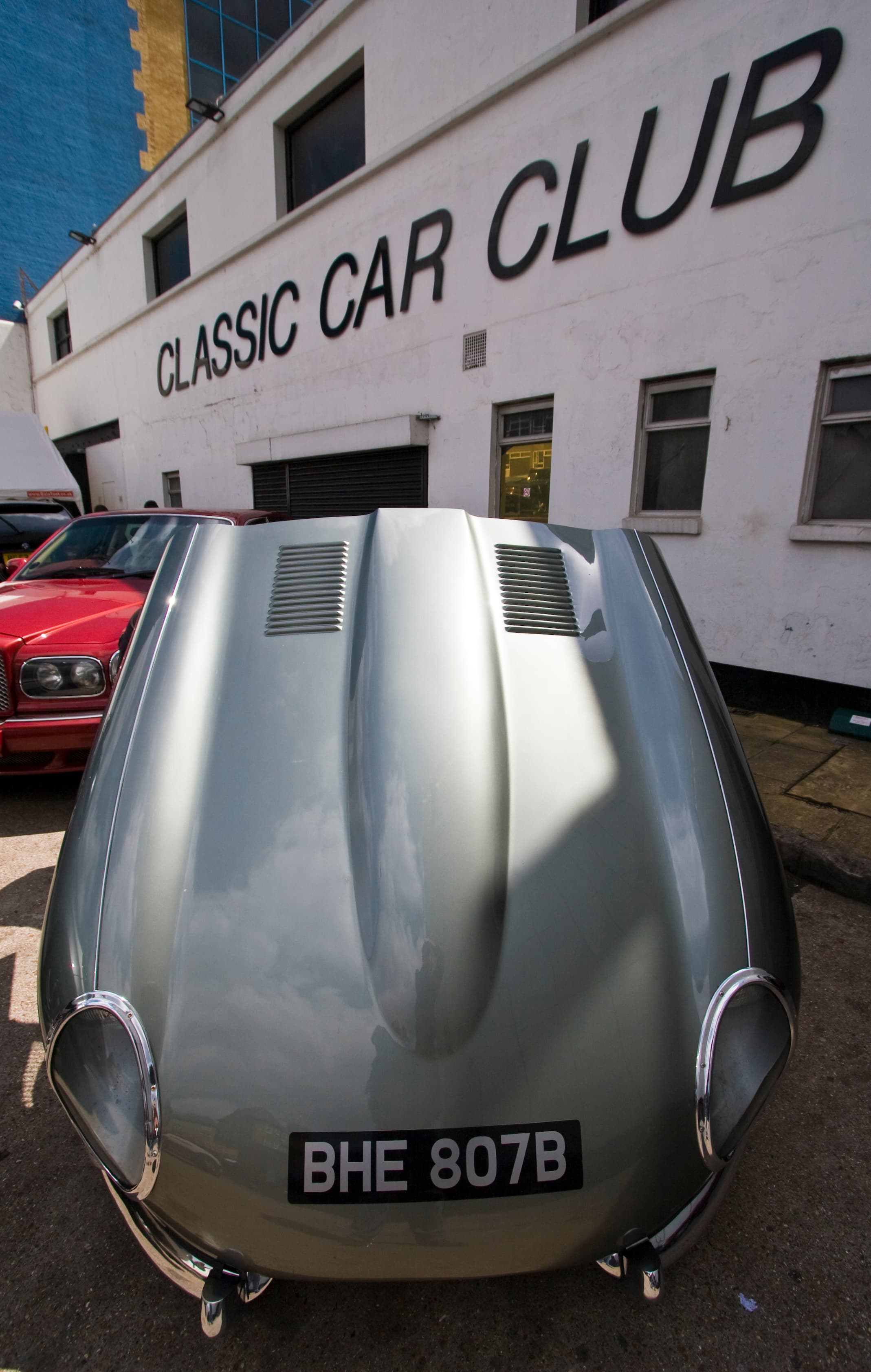
The single most reliable way to find a trustworthy shop, a hard-to-source part, or a knowledgeable answer to an obscure technical question is to ask someone who has already dealt with exactly your problem on exactly your car. That person is almost always in a car club. They have been dealing with the quirks of 1966 Mustangs or 1957 Bel Airs for twenty years. They know which local shops actually understand the car and which ones will cheerfully make things worse.
Club membership also opens the show circuit in ways that non-members cannot easily access. Many of the most rewarding regional and national shows are club-sanctioned, club-judged, or require some form of club affiliation to enter competitively. The social dimension of car shows — the conversations, the community, the people who wave you over to look at their engine bay — is richer when you already know people in the field.
And practically: club technical resources, technical advisors, marque registries, and archived research are resources that do not exist outside of organized club structures. When you need to know whether a specific casting date is correct for your car's assembly date, you want a marque registry — and the marque registry is maintained by the club.
The Major National Organizations
.jpg&w=3840&q=75)
Antique Automobile Club of America (AACA) is the largest and oldest general classic car club in the United States, with over 58,000 members in chapters across all 50 states. Founded in 1935, AACA sanctions judged shows at regional and national levels using a detailed judging system that evaluates restoration quality and authenticity. Membership includes access to the AACA Library and Research Center, their publication Antique Automobile, and a nationwide chapter network. Annual dues are modest — typically under $50 for a regular membership.
SEMA (Specialty Equipment Market Association) operates an affiliated club program that connects performance and specialty vehicle enthusiasts with both industry resources and a large club network. More oriented toward performance and custom vehicles than the concours-focused AACA structure.
The Horseless Carriage Club of America (HCCA) focuses on pre-1916 vehicles and is the definitive organization for very early automobiles. If your interest extends to pioneer-era vehicles, HCCA membership is essential.
Many owners find the most value in a combination: one general organization for access to the broader show and judging network, and one or more marque-specific clubs for the technical depth and community around a specific make. The two are complementary rather than competing.
Marque-Specific Clubs Worth Knowing
Marque clubs are organized around a specific make, model, or era and offer technical resources, registries, and community that general clubs cannot match in depth. These are some of the most active and well-resourced in North America.
Mustang Club of America (MCA) is one of the largest single-marque clubs in existence, with chapters nationwide and a comprehensive judging system for first-generation Mustangs (1964½–1973). Their technical resources and judging certification are the gold standard for Mustang restoration.
National Corvette Restorers Society (NCRS) is widely regarded as having the most rigorous restoration judging program in the hobby. NCRS judging is point-by-point, deeply technical, and internationally respected. If you own a Corvette and care about originality, NCRS membership and judging participation is the path.
Mopar Collectors Guide and the various Mopar-specific clubs serve the substantial community of Chrysler, Dodge, and Plymouth enthusiasts. The Classic Thunderbird Club International, Pontiac-Oakland Club International (POCI), Buick Club of America, and marque organizations for virtually every significant American and European manufacturer exist and are active.
For European marques: Porsche Club of America (PCA) is one of the largest single-marque clubs in the world with over 140,000 members. The Jaguar Clubs of North America (JCNA), BMW Car Club of America (BMW CCA), and marque organizations for Mercedes-Benz, Alfa Romeo, MG, Triumph, Austin-Healey, and other European manufacturers all have active membership and technical programs.
Local Clubs vs. National Organizations: What Each Actually Offers
National organizations like AACA and marque clubs like NCRS are built around formal structure — standardized judging programs, elected officers, national publications, and events that require travel. They are the right venue for pursuing judged restoration to a recognized standard, connecting with enthusiasts across the country, and accessing institutional resources like marque registries, technical advisors, and archived research that only exist at scale.
Local clubs operate on a fundamentally different model. Most are multi-marque, informal in their judging (or non-judging altogether), and centered on the specific community of owners in a given region. The primary value of a local club is the people in it — owners who know which shops in your area actually understand old iron, which roads are worth driving on a Saturday morning, and where the good cruise nights are. That knowledge does not exist in a national club database. It exists in the heads of people who have been driving and maintaining classics in your zip code for the past twenty years.
The difference shows up most clearly in shop referrals. When something goes wrong and you need a recommendation fast, a local club member will give you a name, a phone number, and a specific account of the work they had done there. A national club forum will give you a thread from 2014 with mixed opinions from people in six different states. Both have value, but when you need a shop next week, the local referral is more useful.
Local clubs are also more accessible to new owners and unfinished projects. National clubs vary in how welcoming they are to project cars, but a local multi-marque club generally takes a much broader view of what belongs. If your restoration is mid-process, a local club is almost always the better starting point — you will have more in common with the other members, and no one will expect a finished car.
The two are not competing choices. Most active enthusiasts belong to one or more national or marque organizations for formal resources and show access, and to at least one local club for the day-to-day community. Start wherever makes more sense for where you are in the hobby.
How to Find Local Chapters and Independent Local Clubs
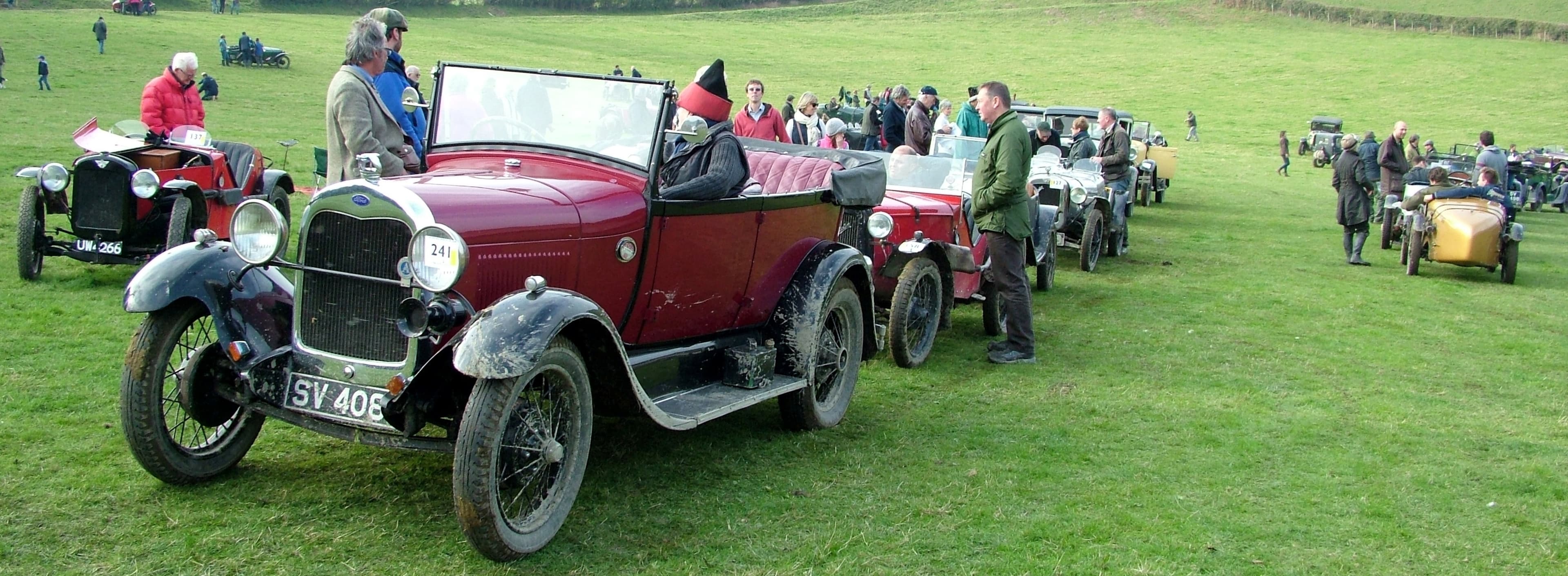
National club websites typically have chapter locators that let you find the nearest chapter by state or zip code. Start there. Most chapters hold regular meetings, monthly drives, and participate in regional shows that do not require traveling across the country.
If no chapter of your preferred club exists nearby, regional multi-marque clubs often fill the gap. Search "classic car club [your city or county]" — most metropolitan areas have at least one active independent club that holds monthly meetings and a show or two per year. These are not affiliated with any national organization, but many are decades old and have deep roots in their local community.
Facebook is now the fastest directory for local club activity. Search "[your city] classic cars" or "[your city] car club" in Facebook Groups — most active local clubs maintain a Facebook Group for event announcements and member communication even if they have a separate formal website. State and regional groups for specific marques are also common and often more active than the equivalent sections on national club sites.
Local specialty shops are another reliable entry point. The owner of a shop that works exclusively on classics almost certainly knows the local club landscape and can point you toward the right people. Asking a trusted shop for a club recommendation is often faster than searching online and produces better results, because shops know which clubs are genuinely active versus which ones have a website from 2012 and haven't met since the pandemic.
Classic car shows and cruise nights remain the most direct method. The people whose cars you admire at these events are almost always club members. Ask them directly — the classic car community is generally enthusiastic about new members and forthcoming about where they meet. A conversation at a show will also tell you more about a club's culture in ten minutes than its website will in an hour.
When you visit a meeting for the first time, pay attention to how existing members talk about their cars and each other's projects. A good club is genuinely interested in what people are working on, not just what they have already finished. The culture is usually clear in the first meeting.
The PoppedHood Partner Clubs directory lists clubs connected to our community across the country. For the shops those clubs recommend in your region, browse classic car specialists in Detroit, Nashville, Dallas, Phoenix, and Los Angeles.
Online Classic Car Communities
Membership in a formal club and participation in online communities are not competing choices — most active enthusiasts do both. Online forums and groups fill the gaps between monthly meetings and extend your reach beyond a single region. They are especially useful for owners of less-common marques or for anyone in an area where local chapters are sparse.
The AACA Forums are the online hub for AACA members, with active sections organized by era, marque, and topic — technical questions, restoration help, show schedules, and classifieds. The technical sections in particular are worth bookmarking even if you primarily participate through a local chapter. Non-members can browse publicly; member access unlocks full posting and the classified sections.
Marque-specific forums remain the deepest online technical resources in the hobby. Corvetteforum.com and Mustangforums.com are among the most active single-marque forums anywhere, with decades of archived threads that answer most questions before you need to ask them. Equivalent forums exist for virtually every significant American and European marque — search for "[your make] forum" to surface the primary community for your car.
Facebook Groups have become the most active day-to-day layer for many marques, particularly for trucks and muscle-era vehicles. The format suits quick questions and photo sharing well, but it is a poor archive — posts disappear quickly and are not reliably searchable. Use forums for technical research and Facebook for community. Between the two formats, you have access to most of the institutional knowledge in the hobby without leaving your desk.
For a deeper look at the best online resources by marque and format, see our guide to Classic Car Forums and Online Communities.
What to Expect as a New Member
Club meetings vary widely in format. Some are formal, with elected officers, structured agendas, and technical presentations. Others are a group of people meeting at a diner once a month to look at each other's cars and complain about parts prices. Both formats have their place. Visit before you join if the format matters to you.
Most clubs have a technical advisor structure — experienced members who specialize in specific makes or systems and are available to answer questions from other members. This resource is remarkably valuable. A technical advisor who has built a dozen examples of your engine has institutional knowledge that no shop manual contains.
Do not wait until you have a perfect car to show up. The classic car community is broadly welcoming to project cars, barn finds, and work-in-progress vehicles. Half the interesting conversations at any club meeting are about what someone is working on, not what they have already finished. Showing up with something unfinished and questions about how to proceed is exactly what clubs are for.
Getting Real Value From Club Membership
The owners who get the most from club membership are the ones who participate actively rather than collecting a membership card and not showing up. Attend meetings. Go to shows. Volunteer for judging if the club needs judges — it is one of the fastest ways to develop a detailed understanding of what correct restoration looks like on your marque.
Use the technical resources. If your club has a forum, registry, or technical line, those resources are included in your dues and are available to you. Post questions. The collective knowledge in a well-organized marque club is extraordinary — there are members who have owned and researched the same make for forty years.
Club members are the most reliable source of shop referrals in the hobby. When you need a repair shop, a machine shop, or a restoration shop, ask in your club before you search anywhere else. The members who have owned similar cars in your region have direct experience with local shops and will tell you honestly who does excellent work and who to avoid.
For shops, clubs are also a meaningful business development channel — which is why being listed on PoppedHood and engaging with club communities matters for providers as much as for owners.
Frequently Asked Questions
- How much does it cost to join a classic car club?
- Most national clubs charge annual dues of $30–$75 for a regular membership. Marque-specific clubs vary but are generally in the same range. Local chapter dues, if any, are typically separate and modest. The total cost of active membership in one national and one marque-specific club is usually under $150 per year.
- Do I need a fully restored car to join a classic car club?
- No. Most clubs welcome cars in any state of completion — project cars, barn finds, and daily drivers are all represented in active memberships. The requirement is generally that the vehicle falls within the club's defined scope (year range, make, etc.), not that it be in show condition.
- What is the difference between AACA and a marque-specific club?
- AACA is a general organization covering all antique and classic automobiles, with a nationwide chapter network and a formal judging system for all makes. A marque-specific club focuses on one make or model and offers deeper technical resources, a registry of surviving examples, and a community of owners with specific expertise in that vehicle. Many owners belong to both.
- How do car clubs help with finding parts?
- Club members have established networks for sourcing hard-to-find parts — both through club vendors and through peer-to-peer connections. Many clubs have classified sections, vendor programs, and members who specialize in parts sourcing for specific makes. A club technical advisor may know exactly which vendor stocks the correct part for your car, which saves significant research time.
- Are there classic car clubs for European vehicles?
- Yes. Major European marques all have dedicated clubs with active North American chapters — Porsche Club of America, Jaguar Clubs of North America, BMW Car Club of America, and clubs for MG, Triumph, Austin-Healey, Mercedes-Benz, Alfa Romeo, Ferrari, and others. These clubs typically maintain technical registries and have members with deep expertise in their specific marque.
- What is the best classic car club to join?
- The best club depends on what you own and what you want from membership. For the broadest access to shows, chapters, and a nationwide community covering all makes and eras, the Antique Automobile Club of America (AACA) is the strongest starting point — it has chapters in every state and a well-established judging program. If you own a specific marque, pairing AACA with a marque-specific club gives you both breadth and depth. Corvette owners typically join NCRS for its rigorous judging and technical resources; Mustang owners join MCA; Porsche owners join PCA. For most collectors, the right answer is one general club plus one marque club.
- Are there online classic car clubs?
- Yes. Most major clubs have active online forums — AACA's member forums at forums.aaca.org are among the best-organized, with sections by era, marque, and topic. Marque-specific forums like Corvetteforum.com and Mustangforums.com operate independently of the formal club structure but contain enormous archives of technical knowledge. Facebook Groups are active for most marques and good for quick questions and community, though less useful for archiving research. These online communities complement rather than replace formal club membership — the technical advisors, show access, and marque registries that come with club membership are not replicated online.
- What is the difference between a local car club and a national organization?
- National organizations like AACA and marque-specific clubs like NCRS or MCA offer formal judging programs, standardized restoration standards, national publications, and institutional resources like marque registries and technical advisors. Local clubs — most of which are independent and multi-marque — are built around community rather than competition. They offer shop referrals from people who have actually used local businesses, informal monthly meetings, cruise nights, and regional shows without requiring travel. Local clubs tend to be more welcoming to project cars and new owners. The two serve different purposes, and most active enthusiasts belong to both a national organization and a local club.
- How do I find a classic car club near me?
- Start with the chapter locator on the AACA website (aaca.org) to find the nearest general club chapter by state or zip code. For marque-specific clubs, the national club's website will have a regional chapter directory. If no chapter exists near you, search for "classic car club [your city or county]" — most metropolitan areas have independent multi-marque clubs that are not nationally affiliated but are very active locally. Classic car shows and cruise nights are also a reliable way to connect: the owners whose cars you admire at these events are almost always club members, and asking them directly is the fastest way to find where your local community meets.
Ready to find the right shop for your vehicle?
Browse Classic Car Repair Shops →