Why Classic Car Detailing Is a Different Discipline
Modern automotive detailing — paint correction, ceramic coatings, machine polishing — was developed for modern paint systems. Today's factory finishes are a base coat of pigmented paint covered by a clear coat of protective urethane. That clear coat is thick enough to absorb machine polishing, forgiving enough to handle aggressive compounds, and chemically compatible with a wide range of modern detailing products.
Classic car paint is none of those things. Vehicles painted before the mid-1980s were typically finished with nitrocellulose lacquer (pre-1970s) or acrylic enamel, depending on the manufacturer and era. These finishes have no clear coat. They are thinner, chemically different, and respond to polishing and products in ways that are directly opposite to a modern clear coat finish. What restores a modern paint system can destroy a vintage one.
This is not a theoretical risk. A standard detailer with a rotary buffer and a modern cutting compound can remove original paint from a vintage car in the time it takes to do a single panel. That paint, once gone, cannot be restored — it can only be replaced with a repaint, which permanently diminishes the value of a car with documented original finish.
The Paint Chemistry: Lacquer, Enamel, and Clear Coat
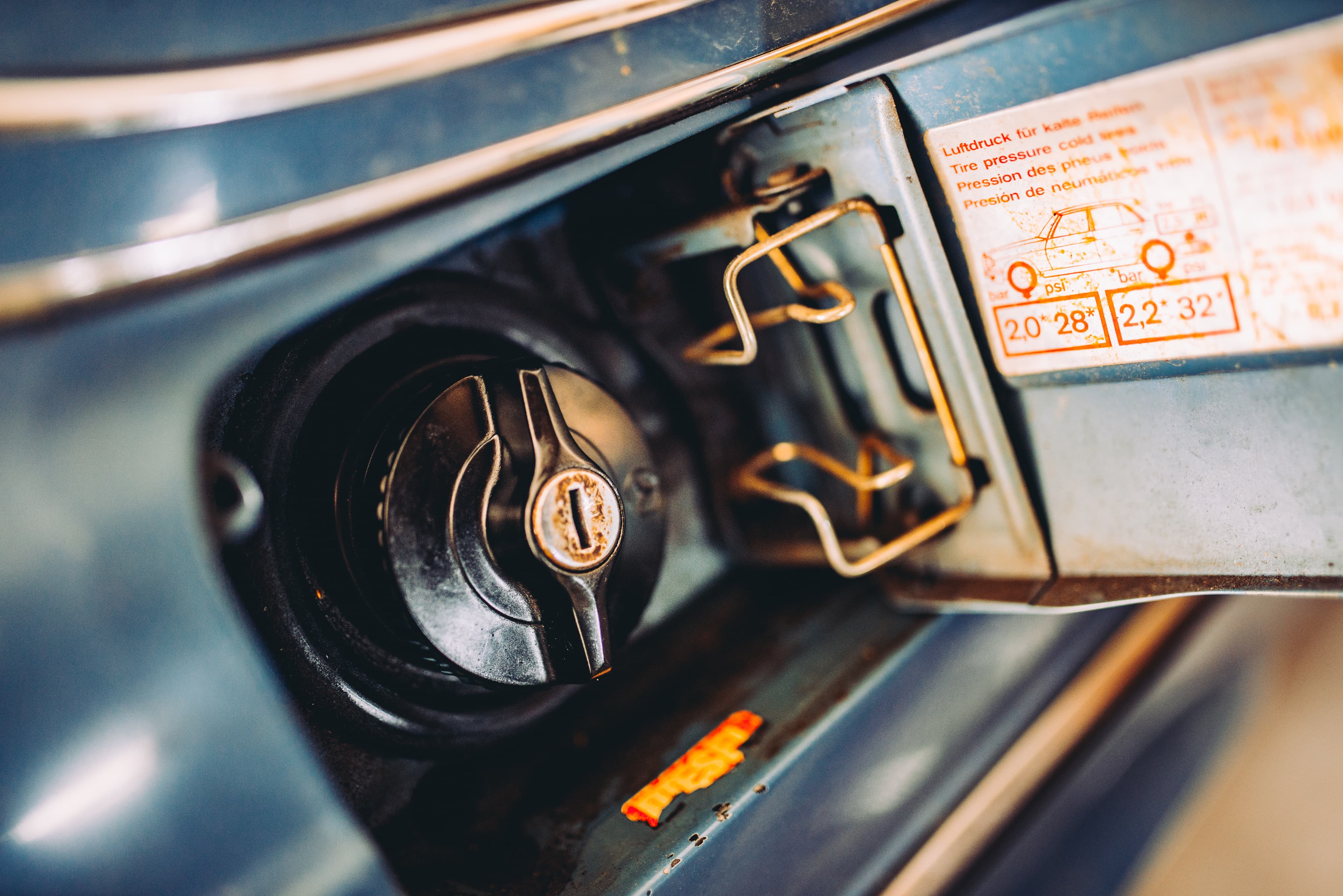
Nitrocellulose lacquer was the dominant automotive finish from the early automotive era through approximately the late 1960s. It is thin, relatively soft, and soluble in strong solvents. It can be cut and polished, but requires compounds and applicators that are appropriate to its thin film build. Lacquer can be brought to a beautiful deep gloss with proper hand application of a mild polish and a quality carnauba wax — but it cannot tolerate the aggressive machine polishing appropriate for modern clear coat.
Acrylic enamel replaced lacquer through the 1970s and early 1980s. It is harder and more durable than lacquer and more tolerant of mild machine polishing, but it is still a single-stage paint without the protective clear coat of modern finishes. It responds well to hand or light machine application with products appropriate for single-stage paint.
Original paint on a documented classic car has value beyond its cosmetic function — it is evidence of the car's history, manufacturing origin, and preservation. A professional who specializes in classic vehicles understands this and approaches original paint as something to be preserved and maintained, not corrected back to a uniform finish. The goal of classic car detailing on original paint is enhancement and protection, not perfection.
Products That Harm Original and Restored Classic Finishes
The most significant risk is aggressive machine polishing with compounds formulated for modern clear coat. Modern cutting compounds are designed to remove material quickly from a thick urethane clear coat — they work by abrading. On a thin lacquer or enamel finish, this abrasion removes the paint itself. A standard detailer working on a modern schedule and using standard modern products may not realize this is happening until the damage is done.
Some spray detailers and surface cleaners contain solvents that are safe for modern clear coat but attack older lacquer finishes. Read product labels carefully — lacquer-safe formulations exist and are what should be used on vintage paint. When in doubt, test in an inconspicuous area before applying broadly to any original surface.
Ceramic coatings — increasingly popular on modern vehicles — are a more nuanced question on classic cars. The coating itself is not necessarily harmful to vintage paint, but the preparation work required (machine polishing to remove all defects before coating application) is often not appropriate for original or freshly restored lacquer or enamel. A detailer who recommends a ceramic coating on original classic car paint without discussing the preparation implications should be asked very specific questions.
On the interior, products formulated for modern synthetic vinyl and plastic can damage original rubber, leather, and early vinyl materials. Original materials benefit from conditioners specifically designed for vintage applications — products that restore without discoloring, cracking, or chemically attacking the material.
Show Detailing vs. Maintenance Detailing: Two Different Goals
Show detailing and maintenance detailing are both legitimate and both involve the services of a classic car detailer — but they have different objectives and different scopes of work.
Maintenance detailing keeps a regularly driven or stored car clean, protected, and in good condition over time. This means periodic washing, waxing or sealing the paint to protect from UV and environmental contamination, conditioning rubber and interior materials, and addressing any contamination or water spots promptly. A maintenance detail typically takes a few hours and is the routine care that preserves both the cosmetic condition and the value of the car.
Show detailing is intensive preparation for a specific judged or display event. It involves paint enhancement to maximize visual depth and clarity, engine bay detailing, thorough interior work, chrome and brightwork polishing, and final presentation preparation. Show detailing may take a full day or more depending on the car's condition and the level of the event. On a freshly restored car, show prep detailing maintains and showcases that work. On a driver-quality car being shown informally, it maximizes the car's appearance for a specific day.
The guide on how to prepare your classic car for a show covers the show prep process in detail and explains what judges look for at different event levels.
Interior Materials: What Changes and What to Use
Classic car interiors present the same challenge as the exterior paint — original materials that respond differently to modern products. Original leather, early vinyl, rubber seals and trim, fabric headliners, and carpeting all require period-appropriate treatment.
Original leather from the 1950s through 1970s is typically stiffer and less refined than modern leather, and responds well to pH-neutral leather cleaners and conditioners. Avoid modern leather conditioning products that contain petroleum distillates — they can darken or stain some vintage leathers. Lanolin-based conditioners are generally safer for period leather.
Original vinyl can be cleaned with a gentle all-purpose cleaner diluted appropriately and maintained with a vinyl conditioner that does not leave a greasy residue. The goal for show detailing is clean and natural-looking — interior dressings that produce a high-gloss, "wet" appearance are generally not appropriate for judged events and look wrong on period materials.
Rubber seals and trim benefit from a rubber conditioner applied regularly — it prevents drying, cracking, and brittleness. Silicone-based products work well and are compatible with vintage rubber compounds.
How to Find a Classic Car Detailing Specialist
Ask for specific experience with vintage paint finishes before booking. A general detailer who says they can handle classic cars should be asked specifically: what products do you use on lacquer paint? How do you approach machine polishing on a single-stage finish? What is your process for original versus freshly restored paint? The answers will tell you quickly whether their experience is genuine.
The most reliable referral source is your car club. Members who show regularly and whose cars look exceptional know exactly who details them. A detailer who has been working on the same marque for years, who is known in the show community, and who has a portfolio of vintage vehicles is the professional you want.
Restoration shops often have working relationships with detailers they trust and regularly refer clients to. If you have worked with a restoration shop on your car, asking for their detailer referral is a logical starting point.
The PoppedHood detailers directory lists classic car detailing specialists with experience in vintage vehicles. Look for detailers whose listed specialties include your era and finish type, and read any available reviews from owners of similar cars.
Frequently Asked Questions
- Can a regular detailer detail a classic car?
- A regular detailer who primarily works on modern vehicles with clear coat finishes may lack the specific knowledge to work safely on vintage paint. The products and techniques appropriate for modern clear coat can permanently damage original lacquer or enamel finishes. Ask specifically about experience with vintage paint chemistry before allowing any machine polishing on an original or restored classic car finish.
- Can you ceramic coat a classic car?
- Ceramic coating is chemically compatible with vintage paint, but the preparation work — which requires machine polishing to remove all defects before coating application — may not be appropriate for original or thin restored finishes. Discuss the preparation process specifically with any detailer recommending a ceramic coating on a classic car. For cars with original paint of collector value, preservation is typically the priority over protection technology.
- What wax is best for classic cars?
- Carnauba-based paste wax applied by hand is the traditional choice for vintage paint and remains one of the best options. It provides UV protection, enhances depth on single-stage finishes, and is compatible with both lacquer and enamel. Avoid waxes containing fillers or abrasives, which can introduce microscratches into soft vintage paint.
- How often should a classic car be detailed?
- A maintenance detail — wash, wax, interior condition — once or twice per driving season is appropriate for most regularly driven classics. Cars in storage benefit from a detail before storage and a thorough cleaning after. Show preparation detailing is done on the specific timeline required by your show schedule, typically one to two weeks before a major event.
- How much does classic car detailing cost?
- Classic car maintenance detailing typically runs $150–$400 depending on the vehicle's size, condition, and the scope of work. Show preparation detailing — involving paint enhancement, engine bay, and intensive interior work — typically runs $400–$1,200 or more. Detailers who specialize in classic vehicles may charge more than standard detailers, reflecting the specialized knowledge and more careful, time-intensive techniques required.
Ready to find the right shop for your vehicle?
Browse Classic Car Repair Shops →