What Makes Something a Barn Find
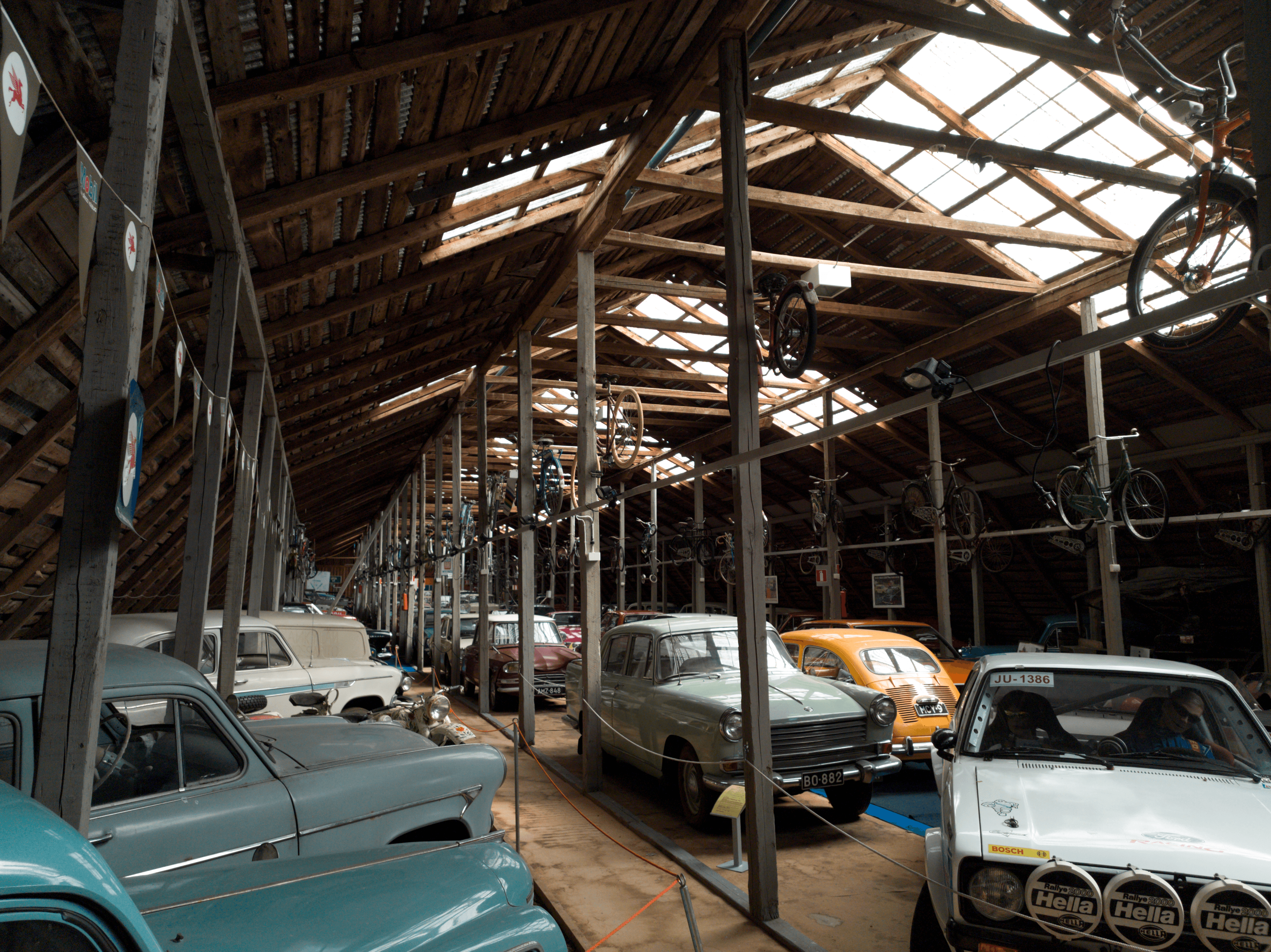
The term "barn find" has expanded considerably from its original meaning. Technically, it refers to a car that has been stored — in a barn, a garage, a shed, or a field — for an extended period, typically years or decades, often undiscovered by the collector market. The appeal is a car that was driven and then simply stopped, preserving a snapshot of a specific moment in time.
The reality is that barn finds range from extraordinary to heartbreaking, and often from the same car. A 1969 Camaro that has been stored dry in a climate-controlled garage for thirty years is a different proposition from a 1969 Camaro that has been sitting in a field in the Pacific Northwest under a tarp that failed sometime around 2004. Both are technically barn finds. One is an opportunity. One is a donation to the local metal recycler.
The first thing to do when you hear about a barn find is manage your own excitement. The story of "the guy who found a Ferrari in a barn" has been told approximately ten thousand times, and most of those stories end with the car being worth considerably less than the romantic version suggested. Assess before you commit. The car will still be there tomorrow.
The First Steps: Assess Before You Act
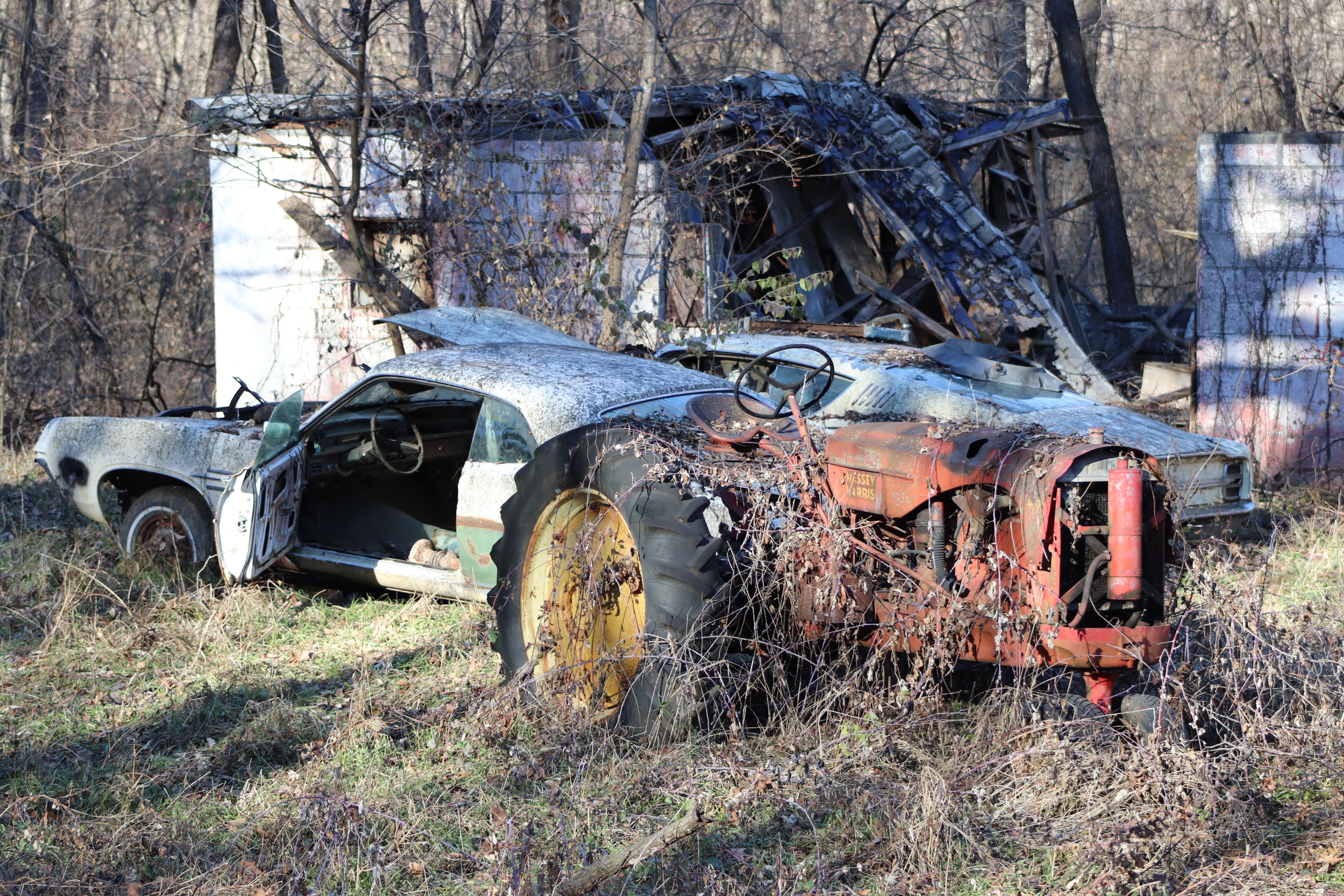
Before you negotiate a price, move the car, or start any work, do a thorough in-situ assessment. The car in its current environment tells a story that changes the moment you move it. Look at the ground beneath it — oil stains, rust scale, debris — and at the environment it has been stored in. A dry, enclosed space suggests much better preservation than an open building or outdoor storage.
Assess the overall body condition before opening anything. Walk around the car and look at panel condition, glass, trim, and rubber. Tires that have been flat for years develop cracks and flat spots that are usually non-recoverable. Rubber seals that have been drying out for two decades are likely beyond restoration and will need replacement. Neither is catastrophic — both are budget line items.
Look at the paint surface. Oxidation is normal on an old car that has been sitting. Check whether the paint is original or whether the car has been repainted — the presence of overspray in door jambs, in the trunk, or in the engine bay tells you something about its history. Original paint with honest patina on a significant car is genuinely more valuable than a mediocre repaint, and is a strong reason not to do anything hasty with the exterior.
Documentation Hunt: Look Before You Leave
Before you focus entirely on the car, look for documentation in the surrounding space. This sounds simple, but it gets skipped constantly. Check the glove box, under the seats, in the trunk, and in any boxes or shelving in the storage area. Factory build sheets, original window stickers, service records from decades past, old registration paperwork, and title documents are extraordinarily valuable — historically and financially — and they have a way of turning up in the places that get cleaned out before the car gets moved.
If the car comes with documentation, that documentation may substantially affect its value. A barn find with its original window sticker, factory build sheet, and a folder of service records from 1968 through 1982 is a different car from a bare-metal example with no paper trail, even if the mechanical condition is identical. Do not let documentation be separated from the car before you have inventoried what exists.
Photograph everything extensively before anything moves. Photograph the car in its stored position, the surrounding space, any documentation, the VIN plate, the engine codes, and any exterior markings. These photographs become part of the car's provenance record and support any future appraisal, insurance, or sale documentation.
What to Check Before Committing to a Purchase
A dormant car has unique failure modes that a regularly driven car does not. Fuel systems are the most common: old gasoline breaks down, leaves varnish and lacquer deposits throughout the carburetor and fuel lines, and frequently results in a car that will not run until the fuel system is cleaned or rebuilt. This is very common and generally not catastrophic — factor it into your assessment.
Brakes on a dormant car are suspect by default. Brake cylinders and calipers that have not been actuated in years may be seized. Brake hoses can develop internal collapse that blocks fluid flow even if the exterior looks intact. Budget for a complete brake system inspection and likely rebuild as part of any barn find acquisition.
Inspect the rust situation as described in the buying guide — frame rails, floors, rockers — with extra attention to areas that may have had standing water. A car stored on a dirt floor is particularly vulnerable to floor pan rust from ground moisture wicking up through the body. A car stored in an area with roof leaks will have specific rust patterns under those leak points.
The engine may or may not turn over. A stuck engine is a significant issue — a hydrolocked engine (liquid in a cylinder) or a seized engine requires machine shop assessment. But an engine that turns over freely and shows reasonable compression has a strong foundation for a revival. Do not attempt to start an engine that has been sitting for years without first pulling the spark plugs, squirting oil into the cylinders, and confirming oil pressure before the first real start attempt.
Getting the Car Home Safely
Do not drive a barn find home without a professional assessment first — even if it starts. Brakes that have not been used in years can fail. Tires that have been sitting flat will have compromised sidewalls. Fuel systems with old gasoline can fail en route or, more dramatically, catch fire. The excitement of having it run is not worth the risk of driving it before it has been properly evaluated.
Use a trailer or a professional transport service. Get a flatbed that can load from ground level for a car with flat tires or limited ground clearance. If the car does not roll freely, address that before attempting to load — a seized brake or rusted parking cable can damage things further if forced.
Once the car is in your possession, the question becomes whether to attempt a revival yourself or take it directly to a classic car repair specialist. For a car that has been dormant for more than five years, a professional assessment is worthwhile before you attempt to start and drive it. A specialist can identify what needs attention before the engine runs and before the brakes are tested under real conditions.
The Reality Check: Barn Find Math
Barn finds are priced on potential, and potential is the most expensive thing you can buy. The seller has seen the same YouTube videos you have. They know what a "numbers-matching" car sells for when restored. The asking price will often reflect the car's best possible outcome, not its current condition.
Run the numbers before you commit. Identify the car's value in excellent, restored condition — Hagerty's valuation guides are the standard reference. Then estimate the restoration cost honestly, using the condition you found and the scope of work implied by the assessment. If the math results in spending more to restore the car than it will be worth restored, that is a known outcome, not a surprise. Many people make that investment willingly for the right car. The key word is willingly.
A pre-purchase appraisal from a certified classic car appraiser on a significant barn find is money well spent. They can assess both the car's current condition and its potential value, giving you a professional opinion that supports whatever price negotiation follows.
The best barn finds are the ones where the seller does not fully know what they have, the condition is genuinely better than it appears, and the car is something for which strong documentation and originality carry real market value. Those exist. They are not the norm. Go in with enthusiasm and a calculator, and do not let one override the other.
Frequently Asked Questions
- How do you start a car that has been sitting for years?
- Do not attempt to start a long-dormant engine without preparation. Pull all spark plugs and squirt a tablespoon of engine oil into each cylinder. Turn the engine by hand to check for seized pistons. Check that the engine has oil and coolant. Change the oil before the first start. Address the fuel system first — old gasoline will have varnished the carburetor and fuel lines. Once the engine starts, do not drive until the brakes have been properly inspected.
- How do you know if a barn find is worth buying?
- Assess the structural condition (frame, floors, rockers) before anything else — rust in these areas is the most expensive to repair. Estimate the realistic restoration cost based on the actual condition. Compare that to the car's value in restored condition using Hagerty valuation data. If the total invested would exceed the restored value and that gap matters to you, the math needs to be part of the decision.
- What is a barn find worth?
- A barn find's value depends on the make, model, condition, originality, and documentation. Cars with documented history, original paint, and matching numbers are worth substantially more than similar examples without that provenance. An appraisal from a qualified classic car appraiser is the reliable way to establish value for a significant find.
- Should I clean up a barn find before selling it?
- Generally no — especially for the exterior. Patina and original surfaces on a significant car have genuine collector value that a cleanup can destroy. Clean the interior minimally to assess condition, and address any safety issues for transportation. Serious buyers prefer to assess a car in honest condition rather than receive one that has been hastily cleaned in ways that obscure the actual state.
- How do I transport a barn find that doesn't run?
- Use a flatbed tow truck or car trailer. If the car's brakes are seized or the wheels will not roll freely, a flatbed that can load without requiring the car to roll is essential. Do not attempt to tow a non-running classic car on a hook and chain — this can cause significant damage to the drivetrain and steering. Professional auto transport services that specialize in classic vehicles are worth using for cars of significant value.
Ready to find the right shop for your vehicle?
Browse Classic Car Repair Shops →